
Nottingham Races
18+ • #ad
How to Watch Nottingham Races Live
Find your race and follow these four simple steps to watch available live horse racing with Bet365.
Click To Watch Horse Racing → 18+ #adA funded account/deposit is required.
Check Schedule → (18+ #ad)How to watch live horse racing
- Sign up or log in Register with Bet365. A funded account/deposit is required. Already have an account? Go to Step 2.
- Select Horse Racing On desktop, find Horse Racing in the left-hand menu. On mobile, use the navigation at the top of the page.
- Find your race Choose the race you want to watch. Look for a square displaying the play symbol (>) to identify an available live stream.
- Select the race and press play Click the race name on the left-hand side, then select the play symbol to start watching live or races you have bet on.
18+ only. #ad.
Geo-restrictions apply. A funded account
and/or a qualifying bet placed within the
previous 24 hours may be required for access,
subject to the provider’s current terms and
eligibility rules. Live streaming availability
varies by race and location. Please gamble
responsibly. GambleAware Gambling Care.ie
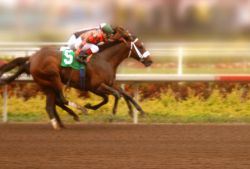
Racing in Nottingham is always a popular day out but if you cannot make it to Nottingham Races in person, the great news is that it has never been easier to watch the action live via our racing from Nottingham live streaming partners.
Click To Watch (18+ #ad) Check Schedule (18+ #ad)Nottingham Races Live Streaming
Watch racing from Nottingham live online via one of the services found below.
Choose Where To Watch
All of these bookies offer live Nottingham races streaming, choose your favourite or simply the bookie requiring the lowest stake (the bet you need to place to watch live horse racing via the bookmaker).
Watch Racing Live Via
| NAME | LOCATIONS | DETAILS | ||
|---|---|---|---|---|
 |
*All GB and Ireland *Australia *USA *South Africa *France *Singapore |
Watch EVERY UK & IRE race at bet365. For races on At The Races, place a bet 24hrs prior or have a funded account to qualify. For any other UK tracks, place a qualifying bet of at least £0.50 win or £0.25 EW. Geo location, eligibility and live streaming rules apply. |  |
Watch Here (18+ #ad) |
 |
*Some GB * Some Ireland *USA *South Africa *France |
Registration and deposited account needed. Minimum bet of £1 needed. Only available to eligible customers. Live Streaming rules apply. | |
Bet Here (18+ #ad) |
Nottingham Races Live
Nottingham racecourses location in Colwick Park near to the river Trent gives it an idyllic country feel whilst still been only 2.5 miles from the centre of Nottingham city centre.
Racing in Nottingham can trace its history back to 1773 when the first race meets where at Nottingham Forest before racing moved to the current location in 1892.
Up until the mid-1990’s Nottingham held both flat and National Hunt racing but now is a flat racing only racecourse.
The recourse offers 2 tracks, one inside of the other with both been around 1.5 miles around and both are left handed.
The inner track features a 5 furlong straight and is used predominantly during the spring and autumn whilst the outer track features a longer 6 furlong straight and is used during the summer months.
With easy turns and a flat track, both Nottingham courses suit well balance horses and gives great fast action for those watching, which is what you can do via GGTV.
Nottingham racecourse hosts a number of big races each and every season including:
Barry Hills Further Flight Stakes- A listed flat race run over 1m 6f 15y
Kilvington Fillies’ Stakes- A listed flat race run over 6 furlongs.
Nottinghamshire Oaks- A listed flat race run over 1m 2f 50y.
Never miss any of the action from Nottingham racecourse again as out partners bring you each and every race live via their Nottingham horse racing live stream.
It has never been easier to watch along live as each of the online bookmakers featured on this page allow you to watch the races that you have bet on and that you have met the wagering requirement.
Place a bet, watch along and cheer on your chosen horse at it races around Nottingham racecourse and hopefully runs away to victory and you can cheer it home.
100% Legal Live Streams
All of the live horse racing streams featured on GGTV are 100% legal and 100% safe. Many websites feature illegal streams that simply steal the content direct from the likes of At The Races and Racing UK and whilst there may be a small cost to watch the races via legal streams (but let’s face it you are likely to be betting on the action anyway!) you can be sure that there are no computer viruses and/or other nasty’s infecting your computer/phone/tablet when watching.
So How is GGTV Different?
The streams that we feature here on GGTV are offered by bookmakers who have paid for the rights to bring you live horse racing action, so you can watch races that you have bet on.
What Can You Watch?
Different bookies have different services with some only focusing on the UK and Ireland whilst some bring you the action from all around the world. If you are after a specific race, please visit our preview section or for all races from a specific track, check out our track guides.
You can also click on the bookies in the table above for all the info you need.
Watch Racing From Nottingham Live
With racing at Nottingham racecourse dating back to 1892 and racing in the city going back much further to 1773 or earlier, it is no surprise that the course has developed much prestige down the years and it is also no surprise that the course has been home to a number of standout moments.
One such moment came in April 2013 when there was a triple dead-heat finish, which was only the 2nd time in over a decade it had happened in British racing.
The horses Thorpe Bay, majestic Manannan and My Time all finished tied for the fourth place in the Lodge Farm Stud Chris and May Mullin Handicap which was run over 5 furlongs.
That just highlights how close the racing at Nottingham can be and how exciting the action can be and that is why so many fans are looking to watch the action live.
The great news for those looking for a Nottingham races live stream is that it has never been easier to watch every race live as all of the live streaming services feature don this page
Each of the online bookmakers on this page allow you to watch the races that you have bet on and met the minimum wagering requirement but the chances are that if you are interested in watching racing from Nottingham live, you will also be interested in betting on the action, so why not simply choose to bet with a bookie that allows you to watch along live and to cheer on the horse you backed as it hopefully races away to victory?
If you have already bet on a race at Nottingham with a bookmaker that does not allow you to watch along with the action, make sure that you next bet is with one of the great bookies feature don this page that allow you to watch the races live at no extra cost on top of your bet.
Choose Where To Watch Racing From Nottingham
All of these bookies offer live Nottingham races streaming, choose your favourite or simply the bookie requiring the lowest stake (the bet you need to place to watch live horse racing via the bookmaker).
If you are looking for Nottingham horse racing, you are in the right place. The great Nottingham horse racing live stream services featured on GGTV bring you all of the great horse racing action from Nottingham races live online.
Watch Racing Live Via
| NAME | LOCATIONS | DETAILS | ||
|---|---|---|---|---|
|
*All GB and Ireland *Australia *USA *South Africa *France *Singapore |
Watch EVERY UK & IRE race at bet365. For races on At The Races, place a bet 24hrs prior or have a funded account to qualify. For any other UK tracks, place a qualifying bet of at least £0.50 win or £0.25 EW. Geo location, eligibility and live streaming rules apply. | |
Watch Here (18+ #ad) |
|
*Some GB * Some Ireland *USA *South Africa *France |
Registration and deposited account needed. Minimum bet of £1 needed. Only available to eligible customers. Live Streaming rules apply. | |
Bet Here (18+ #ad) |
Must Watch Nottingham Horse Racing Action
As you would expect from a racecourse such as Nottingham racecourse, when it comes to Nottingham horse racing, there are some races that stand out over the others as the races are the one to watch.
The great news for all fans of Nottingham races is that you can watch every races live but here are our picks of the horse racing from Nottingham.
| Month | Race Name | Grade | Race Distance |
| April | Barry Hills Further Flight Stakes | Listed | 1m 6f 15y |
| April | Nottinghamshire Oaks | Listed | 1m 2f 50y |
| May | Kilvington Fillies Stakes | Listed | 6f |
Nottingham Races Today Live
If you are wanting to watch Nottingham races today live online, then you can do just that via the great racing stream services found on this page.
History
Early origins: Horse racing on Nottingham Forest
The history of Nottingham Races stretches back several centuries, long before the modern racecourse at Colwick Park became established. Horse racing was taking place in Nottingham by 1773 according to the official history published by The Jockey Club, although historical accounts describe racing on Nottingham Forest from an even earlier period. A course was laid out around the Forest in 1689, reflecting the growing popularity of organised horse racing in the region. The Forest, now associated with Nottingham’s well-known Forest Recreation Ground, was once a much larger area of open land suitable for sporting events and public gatherings.
In its early days, horse racing attracted an audience that included local residents, wealthy landowners, aristocrats and sporting enthusiasts. Racing was both a competitive spectacle and a social occasion, bringing people together to watch horses compete for prizes and prestige. The sport was very different from the professionally organised meetings of today, but its essential appeal was already familiar: competition, excitement and the hope of backing a winner.
Historical records also indicate that Nottingham became associated with Royal Plate racing. These prestigious contests were an important part of the development of British horse racing, with royal patronage helping to establish the sport’s status. Early Royal Plate races could involve demanding heats and substantial weight requirements, making them tests of stamina as well as speed. In an age before modern transport and veterinary science, preparing a horse for such a contest was no small undertaking.
The eighteenth century: Grandstands and growing popularity
During the eighteenth century, Nottingham’s racing facilities developed as the sport became more organised. The original Forest course underwent changes as the surrounding land was altered and public access became more restricted. By the early eighteenth century, the circuit had been reduced from a much longer course to one of approximately two miles, according to local historical research.
A significant development came in 1777, when an impressive grandstand designed by John Carr of York was built at the Forest. Carr was a respected architect whose work included prominent buildings across northern England. The Nottingham grandstand included tea and card rooms, alongside a large entertainment room. Its roof reportedly provided standing room for around 500 spectators, demonstrating that race meetings were already major occasions capable of attracting sizeable crowds.
The facilities offered a combination of sport and hospitality that will sound familiar to modern visitors. Spectators could watch the racing and socialise in dedicated spaces, making the event an attraction beyond the track itself. Tea rooms and entertainment areas may have been a little less extravagant than today’s hospitality suites, but the underlying idea was much the same: a good race meeting should offer more than simply standing in a field and hoping your horse wins.
However, the course faced serious difficulties towards the end of the eighteenth century. Parliamentary enclosure measures in the 1790s reduced the available land, threatening the future of racing on the Forest. The remaining space became increasingly awkward for organising races, and the layout was altered to accommodate a figure-of-eight circuit. This arrangement created problems for spectators because the course made it harder to follow the action clearly.
In 1813, a new layout was devised, incorporating an oval circuit of approximately ten furlongs. Despite these efforts, the limitations of the Forest location remained an obstacle to the long-term development of Nottingham’s racing facilities. The venue needed more space, better access and a layout capable of supporting an increasingly organised sporting industry.
The move to Colwick Park in the nineteenth century
The decisive change in the history of Nottingham Racecourse came towards the end of the nineteenth century, when racing moved away from the Forest to its present home at Colwick Park. The new site had previously formed part of the Colwick Hall Estate and offered considerably more space for developing a permanent racecourse.
The Nottingham and Colwick Park Racecourse and Sports Company was floated on the stock market in 1891, helping establish the financial and organisational foundations for the new venue. Construction work began in November 1891, with architects Berridge and Barnes responsible for the buildings. The construction work was entrusted to a local firm associated with Alderman Dennett.
By the summer of 1892, the new racecourse was ready. A contemporary report in the Nottingham Evening Post, published on 8 August 1892, praised the improved facilities and contrasted them favourably with the more restricted arrangements at the Forest. The Colwick course provided more substantial stands and improved viewing opportunities, including a straight mile that was considered a valuable feature for flat racing.
The new venue also provided space for different forms of racing. Its layout accommodated flat racing as well as steeplechasing, which involves horses negotiating obstacles. The sweeping bends were designed to improve the racing experience and reduce the problems associated with the awkward turns of the earlier course.
Moving to Colwick Park was therefore more than a change of address. It marked the beginning of the modern era of Nottingham Racecourse, providing a permanent home where the facilities and track could evolve alongside British racing. The course has remained at Colwick Park since the 1890s, giving it more than 130 years of history at its current location.
The twentieth century: Major racing moments
Throughout the twentieth century, Nottingham Racecourse continued to contribute to British horse racing, hosting both flat and National Hunt events. National Hunt racing includes hurdle races and steeplechases, which differ from flat racing because horses must negotiate obstacles during the contest.
One notable moment came in October 1933, when jockey Gordon Richards rode the first of a remarkable sequence of 12 consecutive winners. The remaining 11 victories came over the following two days at Chepstow. Although the wider sequence was completed away from Nottingham, the opening victory at the course secured its place in a significant chapter of racing history.
Another unusual achievement occurred in 1935, when brothers Arthur, Sam and Harry Wragg finished first, second and third in the same race. Their family connection made the result a memorable example of the close-knit relationships that have long existed within the racing profession.
Nottingham also hosted an important milestone in 1971, when Stan Mellor became the first National Hunt jockey to ride 1,000 winners. He achieved the feat aboard a horse named Ouzo in a novices’ chase at Nottingham. The accomplishment reflected the skill and consistency required to succeed over many seasons in a demanding profession.
The course witnessed another landmark in October 1985, when legendary jockey Lester Piggott announced his retirement after riding at Nottingham. His association with the venue included a final ride before his initial retirement, although he subsequently returned to racing and continued to achieve further victories. Piggott’s career remains one of the most celebrated in British flat racing, and his connection with Nottingham adds to the venue’s sporting heritage.
Physical changes also shaped the racecourse during this period. In 1986, a fire destroyed the Tattersalls grandstand. The loss was a major event in the venue’s history, but new stands were subsequently opened, including one officially opened in 1987 by champion jockey Jonjo O’Neill. The changes formed part of the continuing development of the facilities used by racegoers and racing professionals.
1965 onwards: Securing the racecourse’s future
The future of Nottingham Racecourse received an important boost in 1965, when Nottingham City Council purchased the venue and agreed to lease it to the Racecourse Holdings Trust, the predecessor of the modern Jockey Club Racecourses operation. The arrangement helped secure the racecourse’s future at a time when its long-term position needed protection.
The relationship between public ownership and specialist racecourse management allowed Nottingham to continue operating while maintaining its place within the British racing calendar. Over subsequent decades, the course adapted to changes in the sport, spectator expectations and the facilities needed to host modern meetings.
For much of its modern history, Nottingham operated as a dual-purpose venue. It hosted both flat racing and National Hunt events, providing a varied programme for different sections of the racing community. The two forms of racing attracted different specialists, from jockeys and trainers focused on speed over flat courses to those whose careers centred on jumping horses over hurdles and fences.
During the 1990s, the racecourse’s direction changed. In February 1996, Nottingham staged its final National Hunt race and subsequently became a flat-only course. The last jumping event was a handicap hurdle won by apprentice jockey Timmy Murphy, who later went on to win the Grand National. The change brought an end to an important part of Nottingham’s racing identity but allowed the venue to concentrate its resources on flat racing.
Modern Nottingham Racecourse: Developing future champions
Since becoming a flat-only venue, Nottingham Racecourse has developed a reputation for providing opportunities for horses early in their careers. Its programme has attracted trainers looking to introduce promising runners before they progress to more prestigious contests elsewhere in Britain.
Several notable horses have raced at Nottingham during their development. Oh So Sharp, trained by Sir Henry Cecil, won a maiden race at the course before going on to achieve the Fillies’ Triple Crown in 1985. That extraordinary campaign included victories in the 1,000 Guineas, the Oaks and the St Leger, establishing her as one of the outstanding fillies of her generation.
Other significant names include Slip Anchor and Oath, both winners of the Epsom Derby who also won maiden races at Nottingham. Their early appearances illustrate why smaller and mid-sized racecourses remain important within the wider racing system. Before a horse can become a Classic winner, it needs opportunities to gain experience, demonstrate its ability and develop under the guidance of its trainer and jockey.
The course’s contribution continued into the twenty-first century. In 2008, Colwick Park hosted the Epsom Spring Meeting, including the Classic Trial, while construction work was taking place on a new stand at Epsom. The temporary relocation brought an important fixture to Nottingham and demonstrated that the course could accommodate significant racing events.
In 2014, Nottingham Racecourse received the Racehorse Owners Association’s Gold Standard recognition for its facilities. The venue has continued to develop its visitor experience, hospitality provision and support for owners and trainers. The Jockey Club has also highlighted the importance of food, service and facilities in creating a successful modern race day.
More recently, the racecourse has continued to host meetings featuring emerging talent. In 2024, two-year-old horses Leovanni and Aomori City made appearances at Nottingham during their early racing careers. Both subsequently attracted attention through their performances elsewhere, reinforcing the role of Nottingham as a venue where promising young horses can begin building their reputations.
Today, Nottingham Racecourse remains an established part of the British flat racing calendar. Its programme includes meetings across the racing season, alongside special events designed to appeal to different audiences. The venue also offers hospitality and facilities for other functions, extending its role beyond race meetings alone.
From the early races on Nottingham Forest to the modern course at Colwick Park, the history of Nottingham Races reflects the development of British horse racing itself. The venue has survived changes in land use, alterations to its track, major building works and shifts in the types of racing it hosts. Its enduring appeal lies in the combination of sporting competition, local heritage and the possibility of watching the next great horse take its first steps towards a celebrated career.
For visitors today, that history adds another dimension to a day at the races. Every meeting is part of a tradition that stretches back generations, even if modern spectators are more likely to check their mobile phones for the latest odds than consult a handwritten racecard. The horses may be faster, the facilities more comfortable and the refreshments more varied, but the central attraction remains unchanged: a field of thoroughbreds, a race to be won and a crowd waiting to see what happens next.

